16 November 2026
Bti vs methoprene: matching the larvicide to the breeding site
Pick the wrong larvicide for a site and you'll know it in a week: larvae right back where you sprayed. Bti and methoprene don't fail the same way or for the same reasons, and the habitat usually tells you which one belongs there before you even check an instar.
What each one actually does to a larva
Bti is a stomach poison. Mosquito larvae ingest the bacterial spores and toxin crystals while filter-feeding, and it ruptures their gut lining. That's fast, usually visible mortality within 24 to 48 hours, but it only works on larvae that are actively feeding at the time of application. It breaks down in sunlight and organic-rich water within days, sometimes faster in warm, turbid conditions. No residual to speak of in most field settings.
Methoprene is an insect growth regulator. It doesn't kill outright; it blocks the hormone shift a larva needs to complete metamorphosis, so it dies trying to emerge as an adult or gets stuck as a pupa. Slower to show results, but it holds up longer in the water column, and the briquet and pellet formulations are built for exactly that: weeks of release instead of a single knockdown.
That difference in mechanism and persistence is really the whole decision.
Matching the chemistry to the water
Catch basins and storm drains. These get flushed, refilled, and re-infested on a rain cycle you don't control. A 30- or 150-day methoprene briquet dropped at the start of the season rides out multiple refill events without a revisit. Running Bti here means you're back on a weekly or biweekly schedule chasing a new egg raft every time it rains.
Tree holes and discarded containers. Small volume, usually stagnant for the whole season, and often holding larvae at mixed instars. Methoprene pellets or briquets fit the low-maintenance profile. If a crew is already on-site doing a visual check and sees active late instars, a Bti dunk gives you the quick kill without waiting on a growth-cycle treatment to catch up.
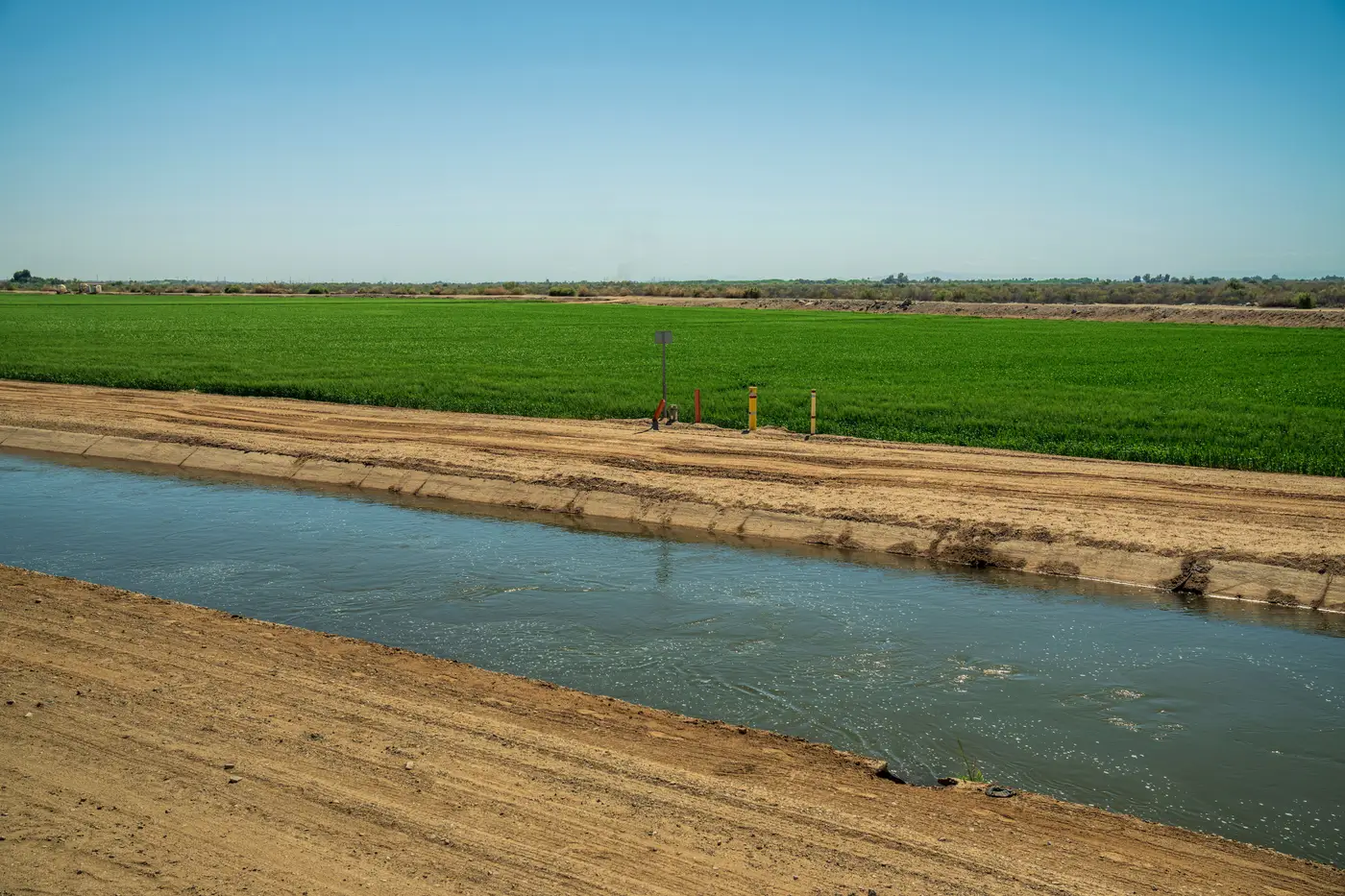
Flood-irrigated pasture and rice checks. Water comes and goes on an irrigation schedule, not a weather one, and fields often get drained and reflooded within the larvicide's normal window. Bti granules or liquid concentrate applied right after flood-up catch the current brood before the field drains again. A residual IGR product gets wasted if the water's gone in four days.
Retention ponds and roadside ditches with standing water most of the season. This is methoprene's best case: a stable, longer-lived habitat where a 30-day briquet gets the full cycle to work instead of getting flushed out before it does anything. Bti still has a place here for a knockdown treatment when a site inspection turns up a heavy late-instar load that can't wait for an IGR to take effect.
Salt marsh and tidal pools. Tidal flushing behaves a lot like the catch-basin problem. Granular Bti formulated for quick sinking and fast release can beat the tide window; slow-release methoprene products made for marsh work exist too, but check label guidance on tidal exchange before committing a season's supply to one site.
A lot of programmes run both, rotating by what a site inspection finds that week rather than picking one chemistry for the whole season. Resistance management is part of that too: leaning on a single mode of action across every site in a district makes it easier for a population to shrug one of them off.
None of this replaces walking the site or reading the label rate for your formulation. But the harder problem for most programmes isn't which chemistry to use, it's knowing which ditches, retention ponds, and flood-irrigated fields are going to be holding water and growing larvae before your crews get there. A seasonal view of where that ponding and vegetation cover is building is what lets you stage the right product for the right habitat ahead of the call-in, instead of after it. Take a look at what Breeding Habitat Map shows for your district before the season turns.