Blog
16 November 2026
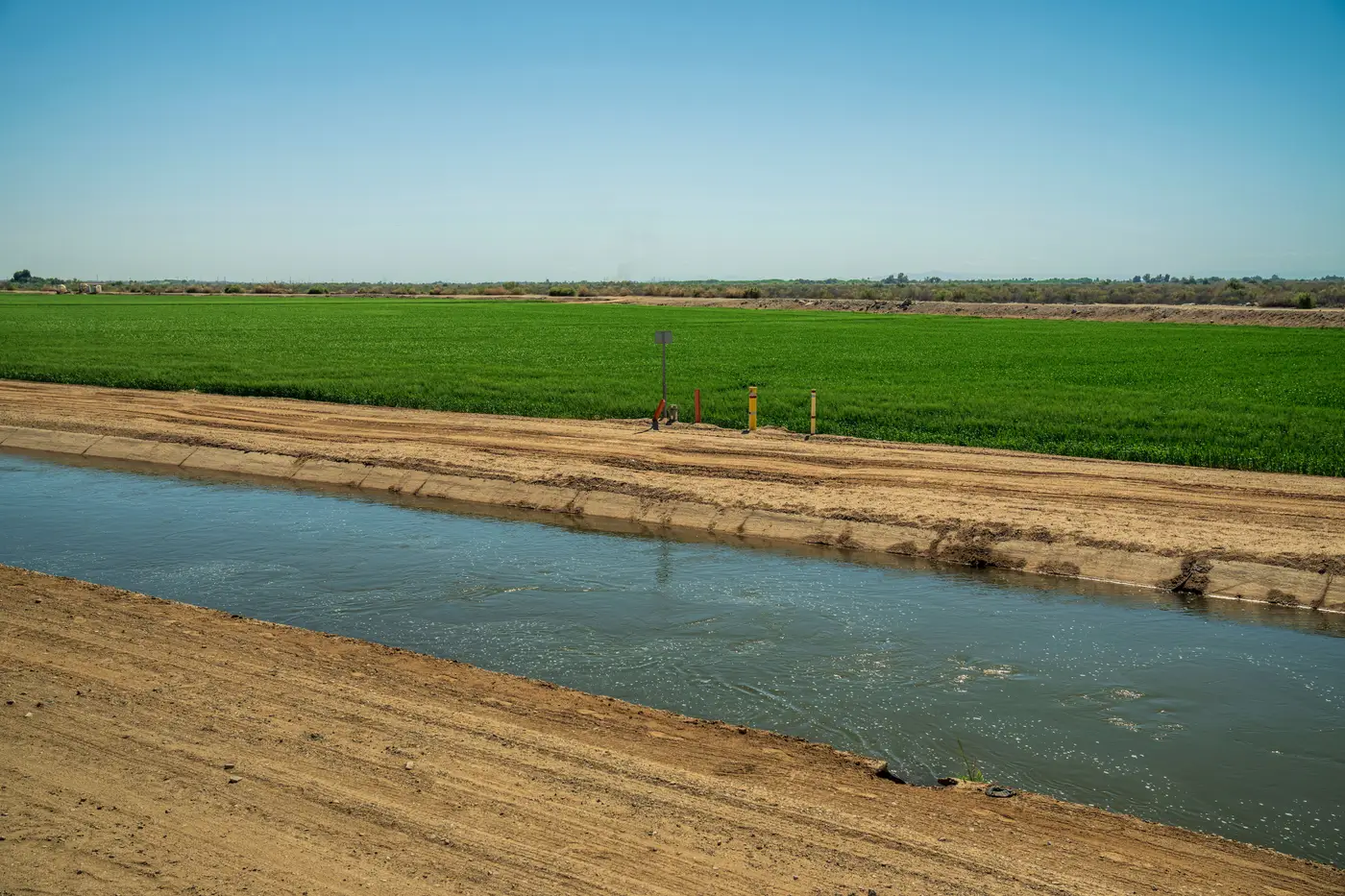 Bti vs methoprene: matching the larvicide to the breeding site
A field comparison of Bti and methoprene by habitat type, from tree holes to flood-irrigated pasture, for picking the right larvicide.
16 November 2026
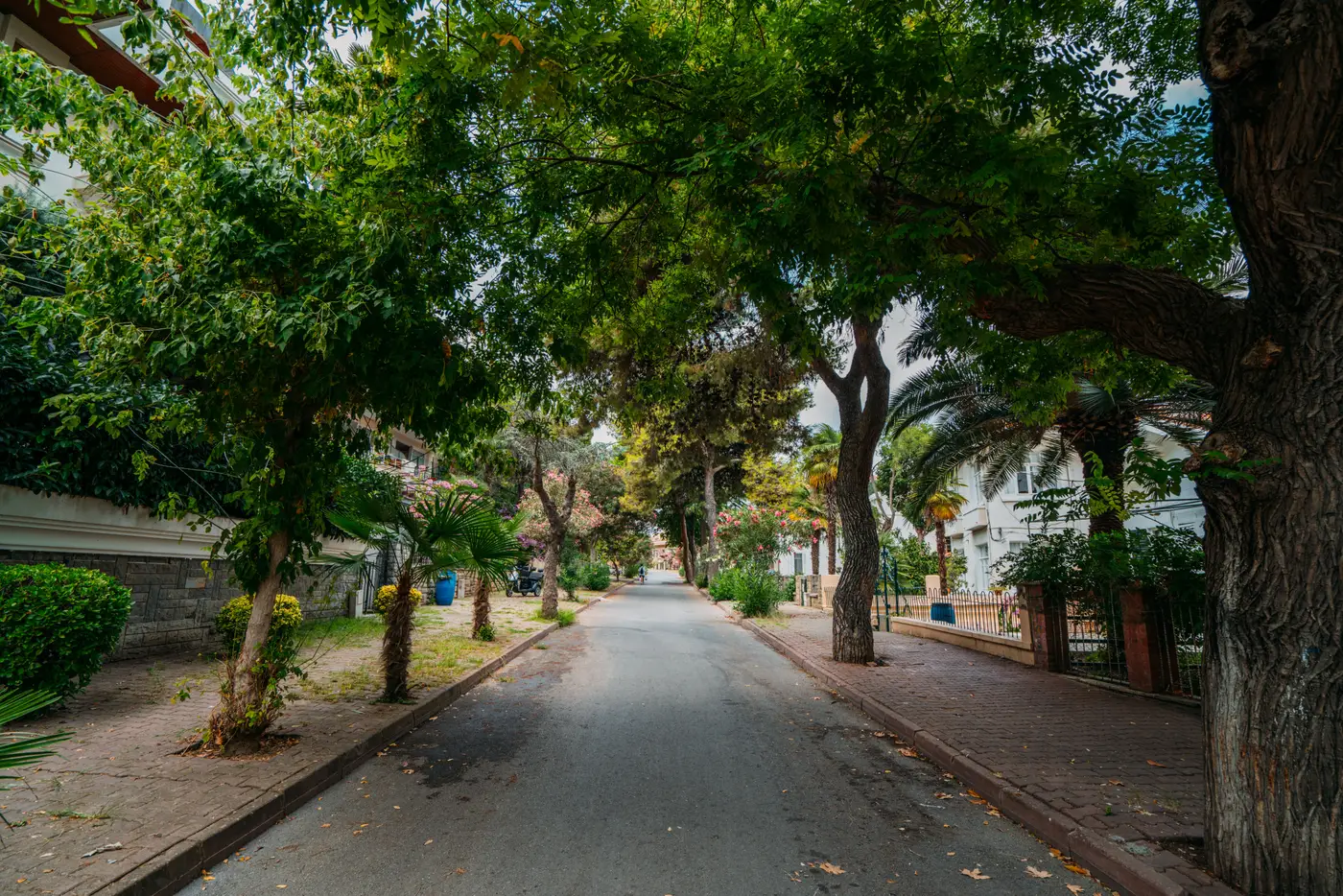 Field notes: the abandoned pool that never made last season's habitat map
A neglected pool under citrus canopy never showed on last season's habitat layer. What canopy cover and update timing mean for ground crews.
9 November 2026
How to brief spray crews with a pre-season habitat map before the rains hitHow to brief spray and larviciding crews using a pre-season habitat map before rains hit, with what to flag and how to build the route sheet.
9 November 2026
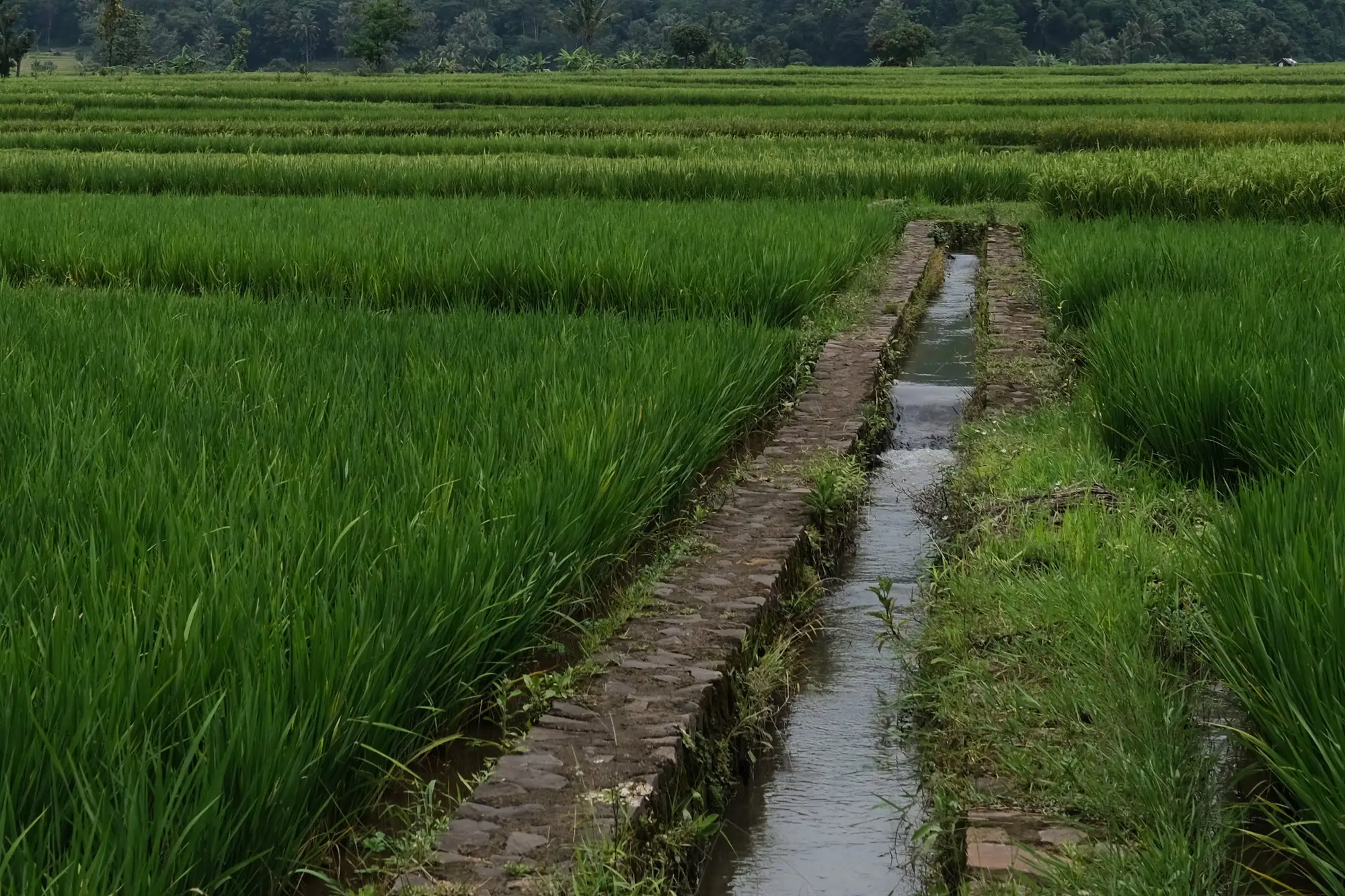 Key breeding sites vs. minor ones in larval source management
Key breeding sites carry a transmission season; minor ones don't. How LSM programmes tell the difference and route crews accordingly.
2 November 2026
Field notes: the paddy that flooded before the calendar said it wouldA field note on a rice paddy that flooded ahead of the irrigation calendar, and what it means for timing larval-source management rounds.
2 November 2026
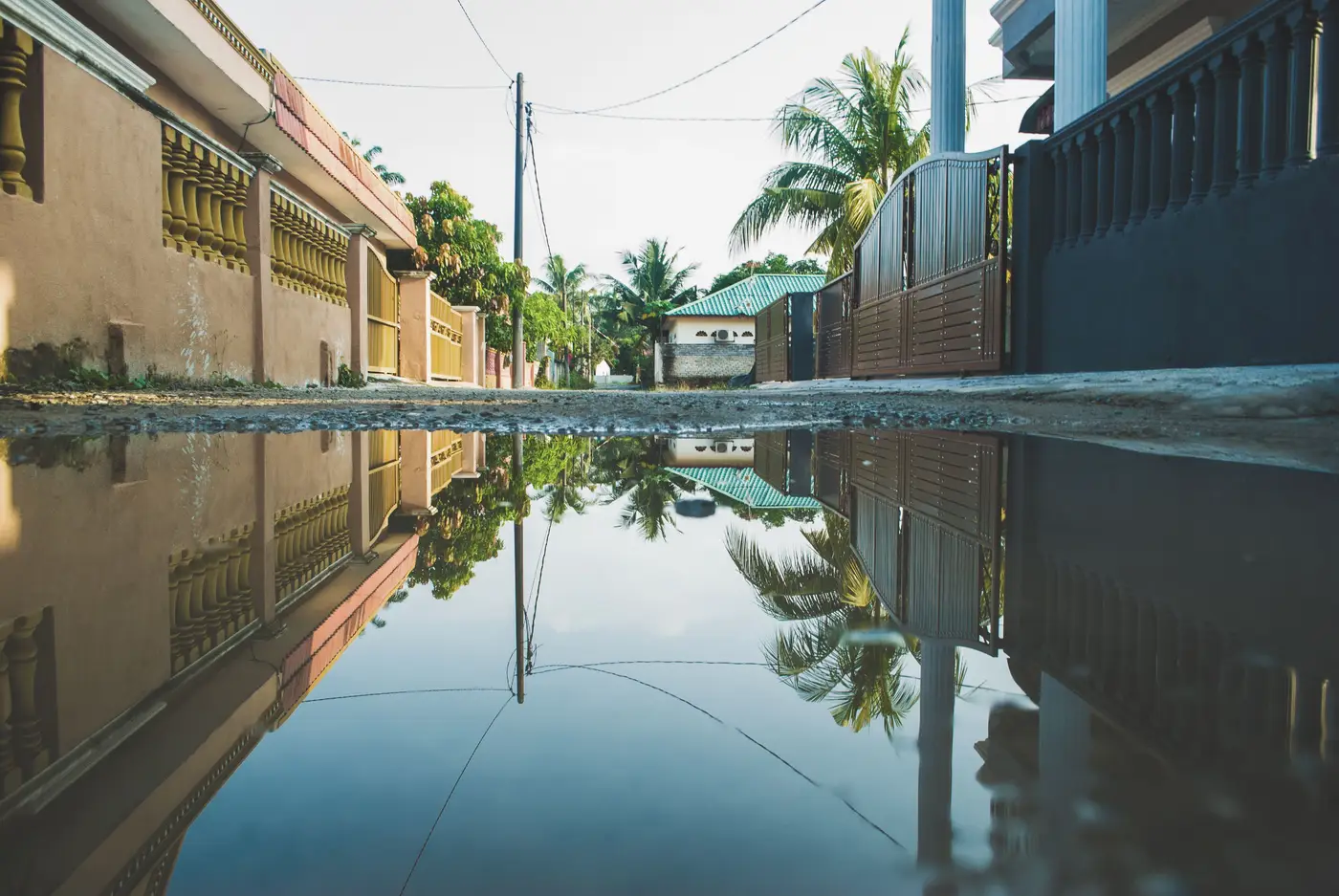 Source reduction vs. larviciding: what's the difference?
Source reduction eliminates breeding habitat for good; larviciding treats water you can't drain. How programs sequence both before the season turns.
26 October 2026
Container index vs Breteau index: which one fits a dengue vector surveyContainer Index and Breteau Index measure different things in a dengue vector survey. Here's what each one tells you and when to use both.
26 October 2026
Staging larviciding rounds around the gonotrophic cycleHow the gonotrophic cycle sets your larviciding interval, and why re-treatment timing has to beat the next oviposition round.
19 October 2026
Field notes: the canal break that didn't show up until the second passA lateral canal breach, a missed first pass, and what it teaches about revisit timing for pre-season habitat inventory.
19 October 2026
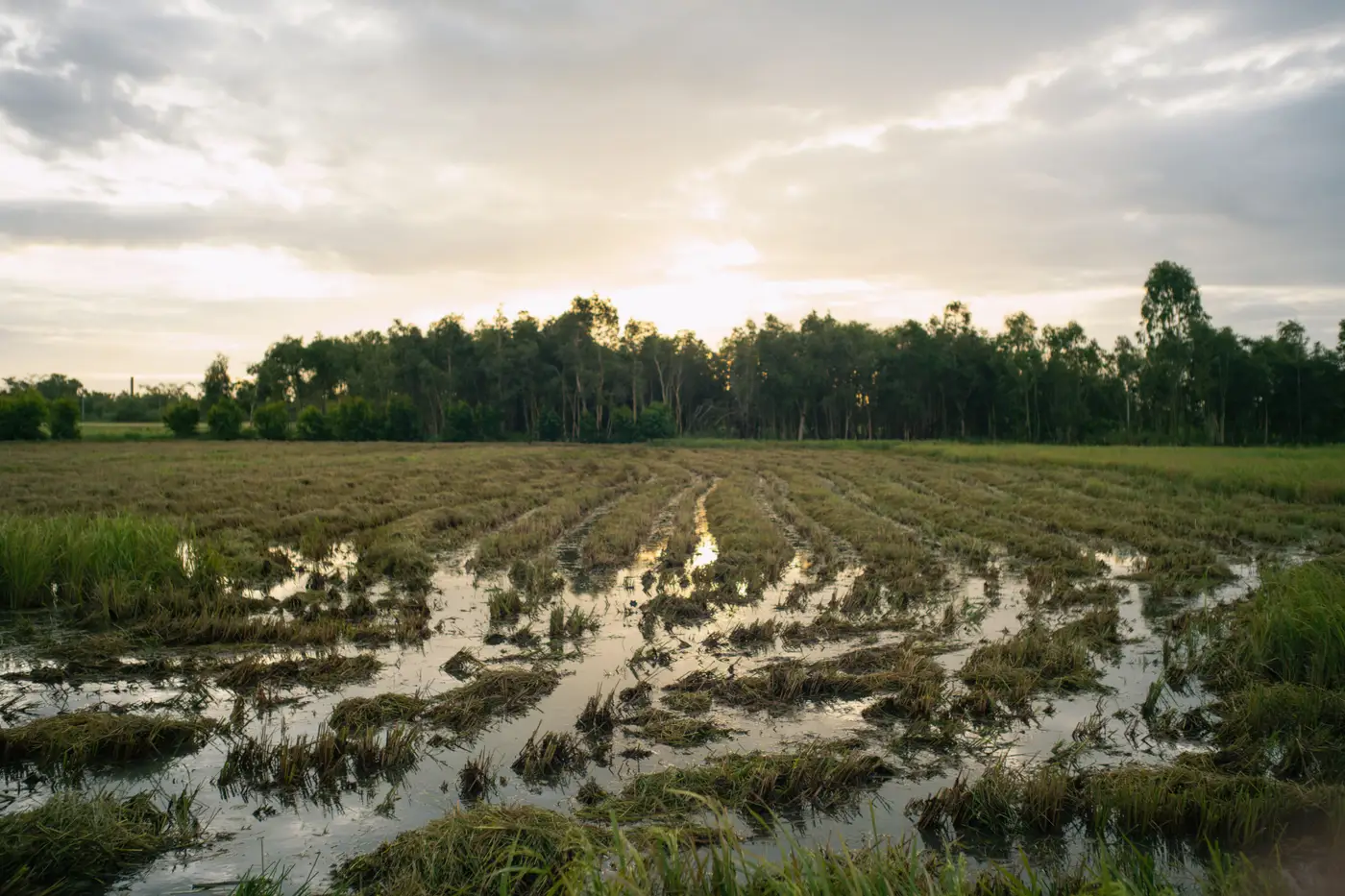 How to tell irrigation ponding from rainfall ponding in satellite imagery
A field guide to separating rain-fed standing water from irrigation return flow in satellite imagery, and why it matters for larval source management.
14 October 2026
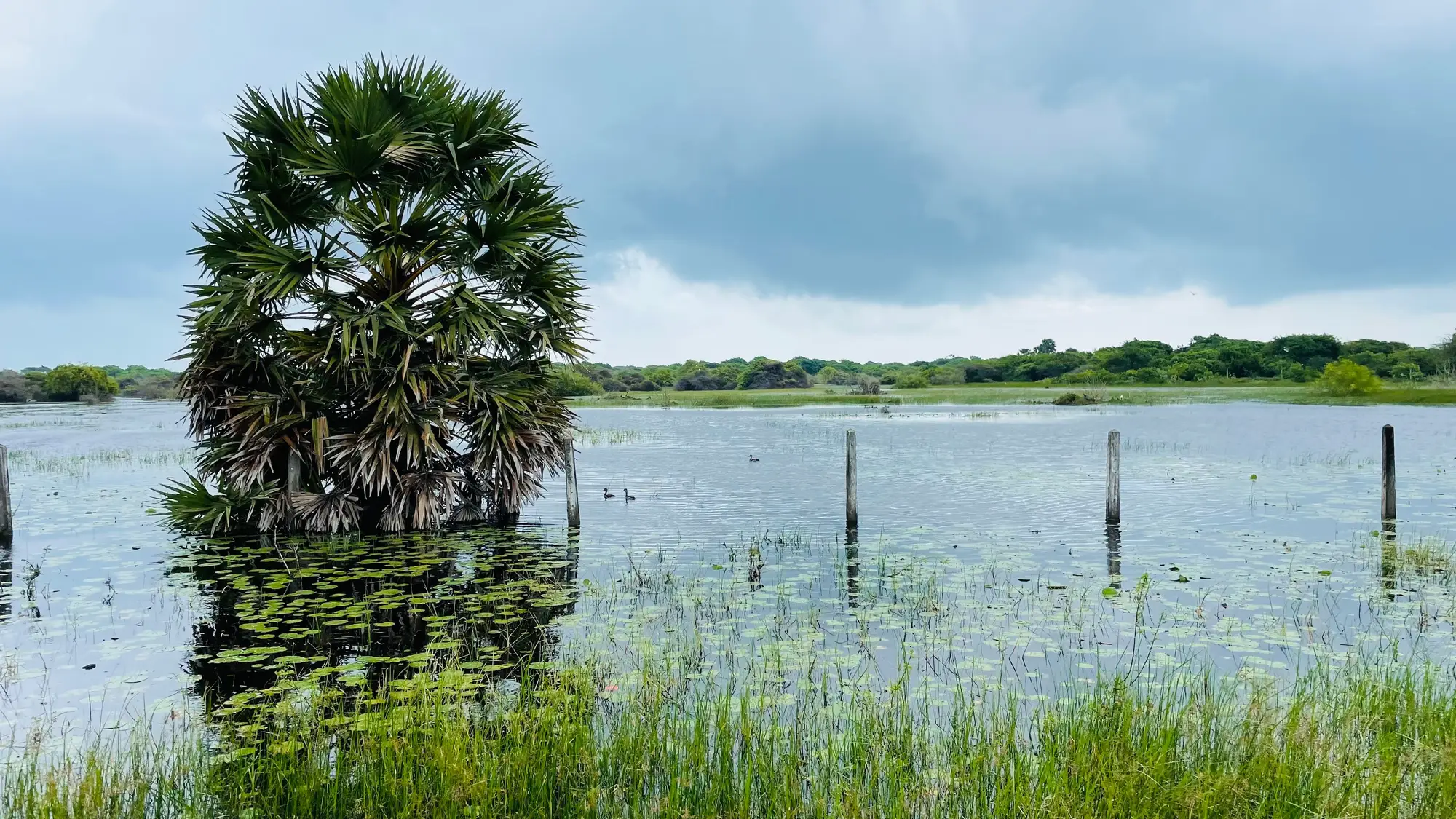 Multispectral vs. thermal imagery for mosquito breeding site surveillance
Why larval habitat mapping runs on multispectral bands instead of thermal, and what that means for spotting standing water before it breeds.
14 October 2026
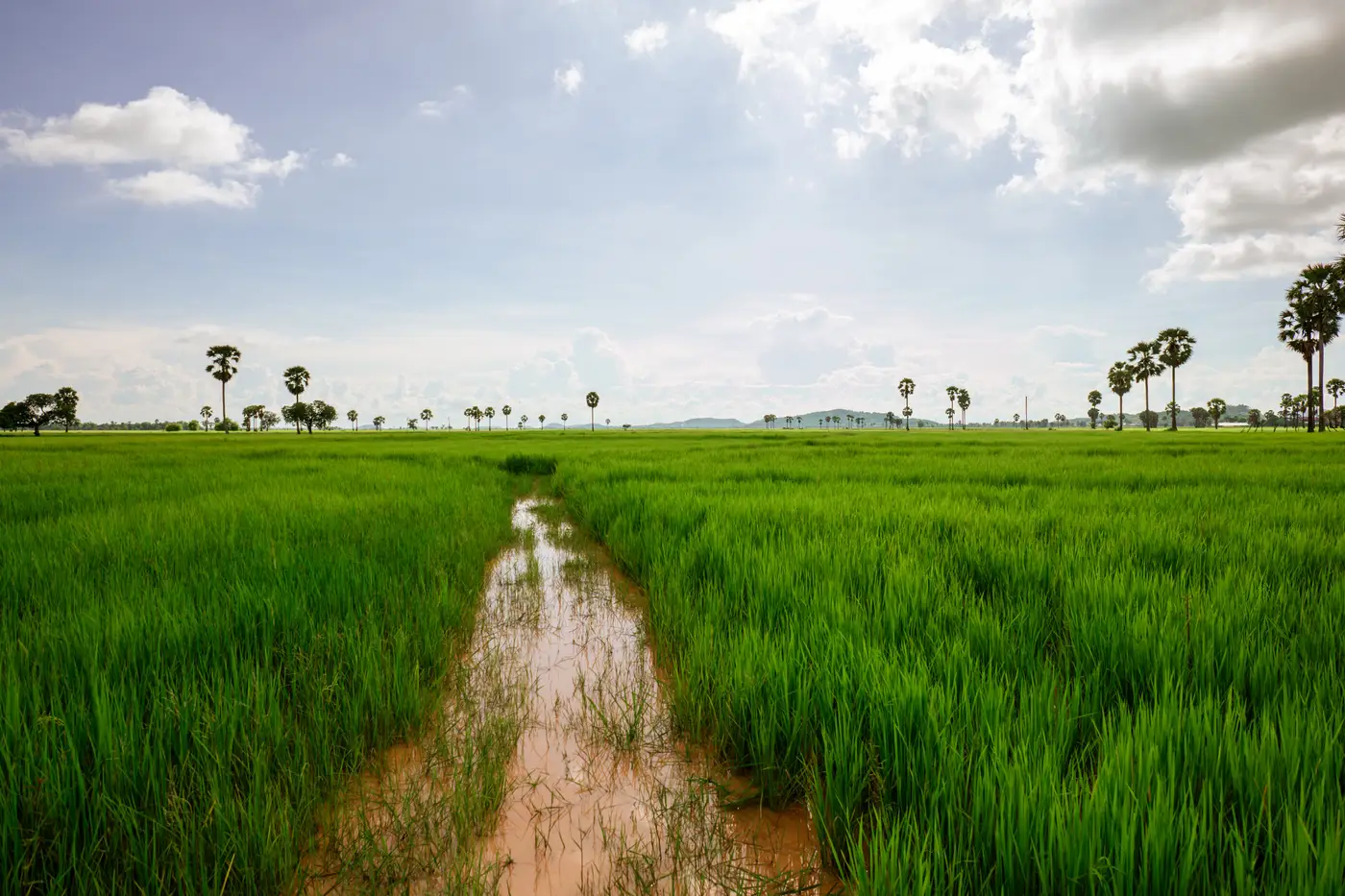 What counts as standing water in a vector control habitat assessment
A field guide to sorting standing water, irrigation ponding, and seasonal flooding by breeding risk, not just by whether they're wet.
13 October 2026
How to build a pre-season larval habitat inventoryA walkthrough for building or updating a breeding site register before the season turns, and where a dry-season site walk alone falls short.
13 October 2026
What is a larval index, and how do vector control programmes use it?A field guide to Breteau Index, House Index and Container Index: what each measures, how programmes use them, and where the lag shows up.
7 October 2026
How to prioritize larviciding routes when you've got three crews and forty sitesA practical way to rank breeding sites and build larviciding routes when spray teams are short and the season's already moving.
7 October 2026
NDWI vs NDVI: which index actually flags standing water before season?NDWI and NDVI answer different questions for larval source mapping. Here's when each one flags real breeding water, and when it doesn't.
7 October 2026
Satellite imagery vs ground larval surveys: where each method earns its keepA field-level look at what dipping crews catch that imagery can't, and what multispectral imagery flags before a single dip is taken.
7 October 2026
What is habitat suitability modeling for mosquito vectors?A plain explanation of habitat suitability modeling for mosquito vectors and how it differs from larval surveys and old breeding-site lists.