26 October 2026
Staging larviciding rounds around the gonotrophic cycle
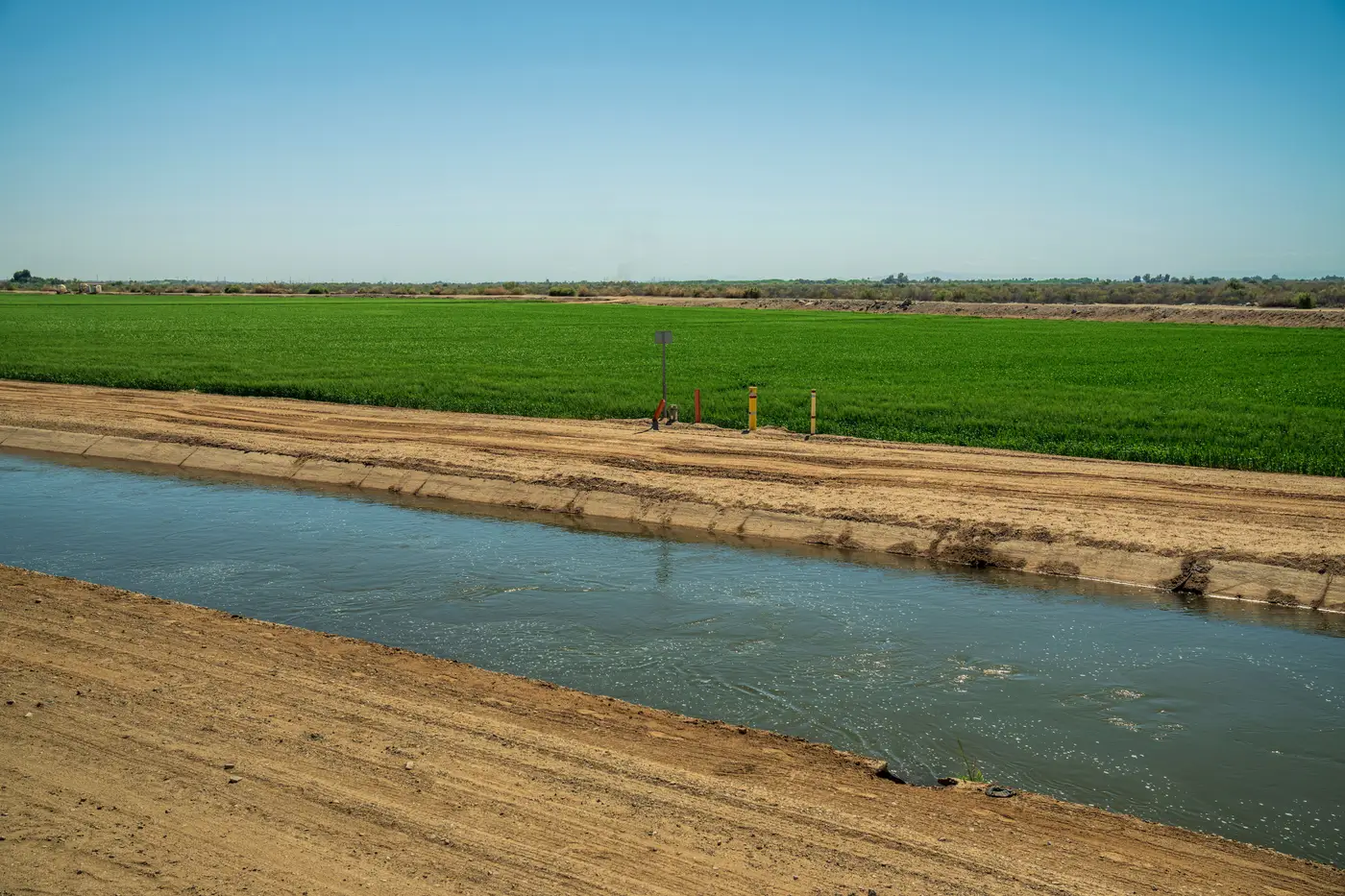
A larviciding schedule should track the gonotrophic cycle: blood meal, egg development, oviposition, repeat. Most schedules track the spray calendar a program inherited instead, and that's where the trouble starts. Get the timing wrong and you're treating water that's already hatched its next generation before your crew even packs up the sprayer.
What the gonotrophic cycle sets
For most Anopheles and Culex species working in warm conditions, the gonotrophic cycle runs 2 to 4 days: a day or two to digest the blood meal and mature eggs, then a search for water to lay them in. Drop the temperature by even a few degrees and that cycle stretches, sometimes to 5 or 7 days, because egg development slows with the cold. This is why a schedule built in July doesn't hold in October. The larvicide interval depends on local temperature and species mix more than any calendar date.
The practical upshot: if a female completes her gonotrophic cycle in 3 days, any larval habitat she used last week has already received a fresh egg batch by the time you're three days out from your last treatment round. A spray schedule built on a 10- or 14-day loop, because that's what fits the crew's route, is giving two or three full gonotrophic cycles a free pass through every site you didn't hit on day one.
Matching residual activity to the interval, not the route
This is where larvicide choice and gonotrophic timing have to line up. Bti formulations knock down existing larvae fast but have short residual activity, often 7 to 10 days depending on water quality and organic load. That's fine if your round-trip back to the same habitat happens inside that window. It's not fine if the gonotrophic cycle is running at 3 to 4 days and your route takes 12 days to come back around, because you've left two or three cycles of unprotected water in between.
IGR products like s-methoprene briquettes buy more room, with residual windows stretching 30 to 150 days depending on the formulation and how much the water flushes or dries. For semi-permanent habitat (retention ponds, borrow pits, slow drainage) an IGR can outlast several gonotrophic cycles on one application, which is the whole point. For habitat that refills on an irrigation schedule or after every storm, the residual gets diluted or washed out faster than the label suggests, and the real re-treatment interval ends up closer to the water-turnover rate than the product's stated window.
So the staging question isn't just "what's the gonotrophic cycle" or "what's the product's residual." It's whether the two line up for the specific habitat type you're treating. A larvicide with a 10-day residual against a 4-day gonotrophic cycle in standing water gives you two to three cycles of coverage before you need to be back. The same product against water that drains and refills every 5 days might only buy you one.
Where re-treatment timing breaks down
The failure mode we see most is habitat that wasn't on the route in the first place: a flooded pasture, a new patch of irrigation ponding, a culvert that backed up after last week's rain. The gonotrophic math only helps if you know where the water is before the next cycle completes. Programs re-treating on a fixed loop often find out about new or expanded habitat from the next trap count, which is already one gonotrophic cycle behind the adults it's measuring.
That's the gap a pre-season habitat-suitability layer is built to close. Breeding Habitat Map flags standing water and irrigation ponding before the season turns, so your crews are staging rounds against habitat you already know about instead of chasing it after density spikes.
If your re-treatment interval keeps losing the race to the next oviposition round, start the season with a map of where the water actually is.