2 November 2026
Field notes: the paddy that flooded before the calendar said it would
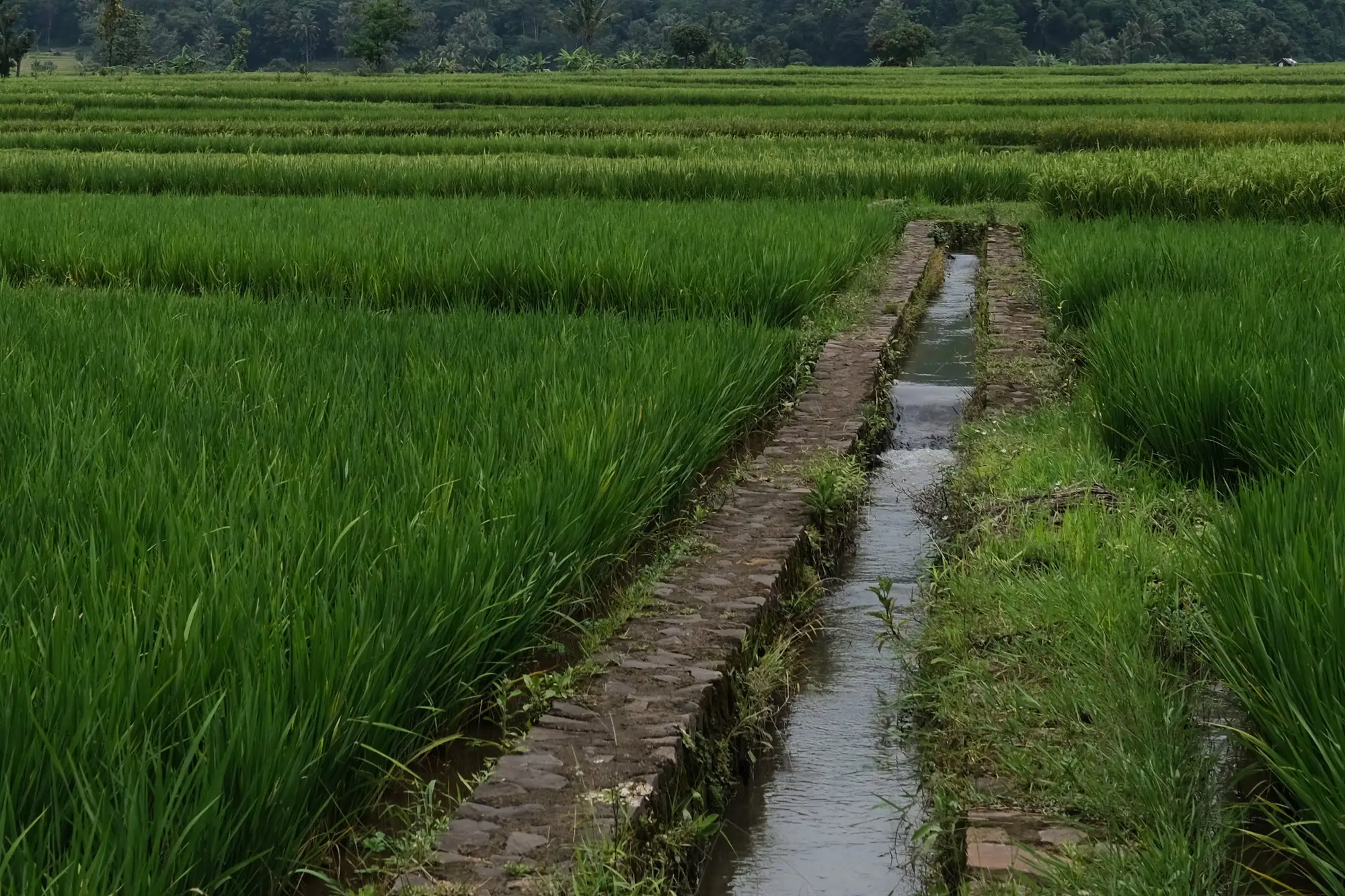
We got the call from a field tech on a Tuesday: the paddies along the east canal in Block 14 were standing full, and first-instar culicines were already showing up in the dip counts. Nobody had flagged it. The district irrigation calendar had that section scheduled for flood-up in two weeks, timed to the transplanting window the ag office publishes every season. Somebody upstream opened a gate early, or a secondary channel got cleared of silt faster than usual, or a farmer just didn't want to wait. Doesn't much matter why. What matters is that our spray rotation was built around a date that turned out to be wrong, and the water didn't care.
This is the part of larval-source management that never makes it into the training slides: the schedule on paper and the water on the ground are two different things, and they only agree by coincidence. Rice paddy irrigation runs on a web of local decisions, canal maintenance, upstream reservoir releases, somebody's cousin who manages the pump, that a seasonal transmission calendar can't see. You plan your rounds around when fields are supposed to flood. The paddies flood when they flood.
We've been doing LSM in this district long enough to know you can't dip every field every week. The crew's stretched across three blocks and a swamp forest reserve besides. So you prioritize by the calendar, and when a paddy skips ahead of schedule, you treat it reactively, after the fact, once density's already climbing.
By the time we got crews into Block 14, we were looking at third-instar culicines in standing water that had been there long enough to warm up and green over. That's a week, maybe more, past the point where Bti does its best work. We larvicided anyway, same as always. A round applied to third instars in water that age is a different proposition than one applied to a fresh flood with first instars still thin on the ground.
What stuck with me afterward was how confident everyone had been in that two-week date. The ag office calendar runs on years of transplanting patterns and water allocation agreements, the irrigation bureaucracy doing exactly what it's supposed to do. It answers a farming question. Farming questions get overridden by a dozen things on the ground, gate timing, silt clearance, a grower's own schedule, that never reach the people setting our spray rounds.
The real gap is between water scheduled to arrive and water that has arrived. Breeding, maturation, the first adult emergence, all of it runs on when the water shows up on the ground, not on when the calendar said it would. A programme that routes larviciding crews off the planting calendar is routing off the wrong clock. A crew needs something watching the paddies themselves, catching the flood-up when it happens instead of when it's supposed to, so they get there while the water's still fresh instead of three weeks later facing a population of adults.
That's the gap we've started looking at satellite coverage for: catching the fields that jump ahead of the calendar before a tech has to phone it in. Breeding Habitat Map builds its seasonal layer from multispectral imagery of standing water and vegetation itself, so an early flood like Block 14's shows up as standing water on the ground, days after it happens, instead of as a surprise call two weeks ahead of plan. We're still feeling out how it fits alongside the dipping routine and the district calendar. The Block 14 paddy is exactly the kind of miss it's meant to catch.
If your rounds are built on last season's flood dates as much as this season's water, it might be worth seeing what a current habitat-suitability layer would have told you about Block 14.