14 October 2026
What counts as standing water in a vector control habitat assessment
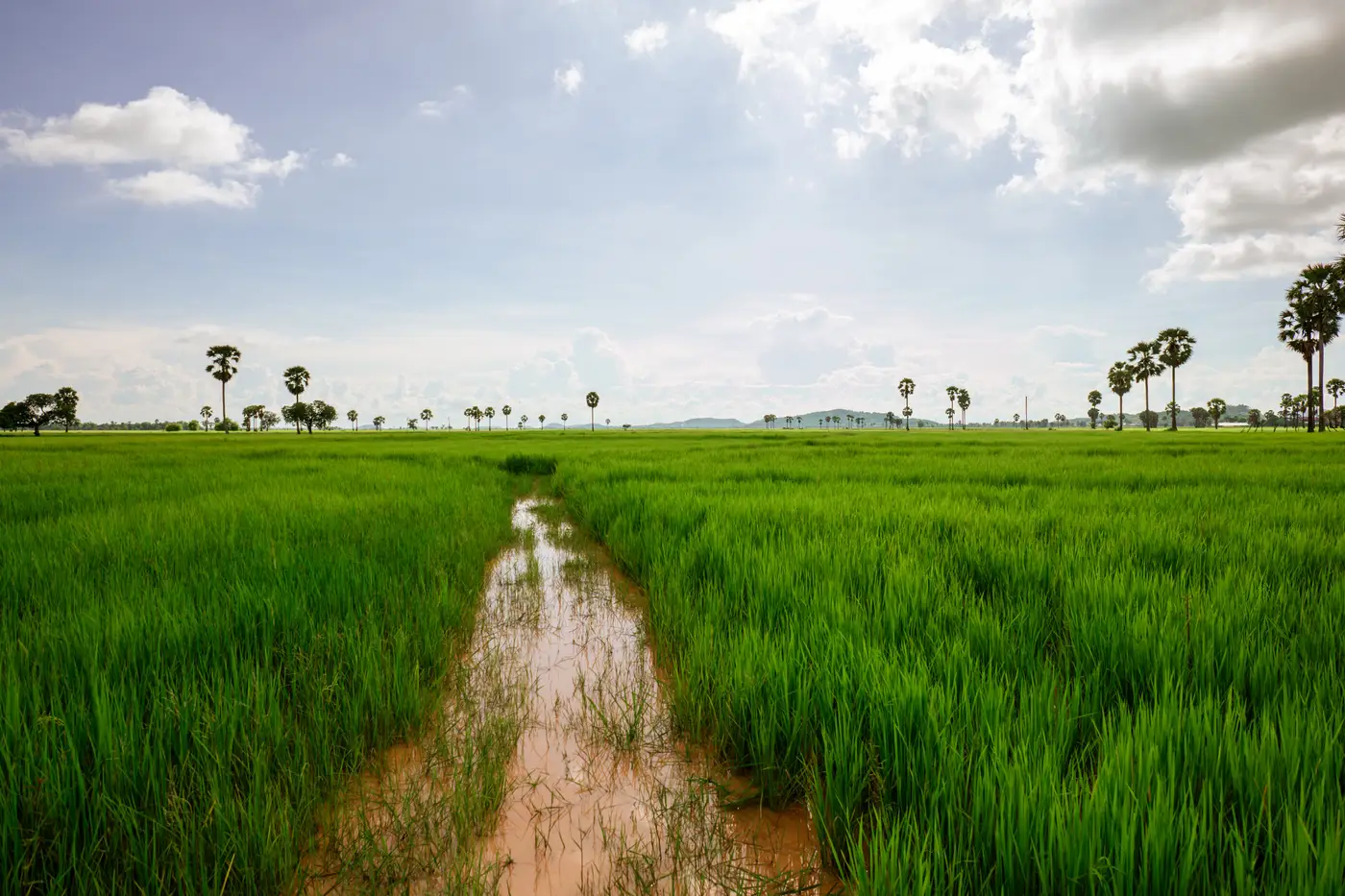
Ask three inspectors to define "standing water" and you'll get three different answers. One points to the catch basin behind the strip mall. Another means the flooded rice check two parcels over. A third is thinking about the tire pile that's held water since the last storm. All three are right, and all three need a different response from your crew.
For habitat assessment purposes, standing water is any body of water that sits still long enough for a female mosquito to lay eggs and for those eggs to carry through larval and pupal stages before the water disappears or gets flushed. That's the operational definition, not "any puddle." A puddle that drains in six hours doesn't count for most species. A clogged gutter that holds water for ten days does.
Not every wet spot is a breeding site
The distinction that actually drives larviciding decisions is persistence, not surface area. A half-acre sheet of runoff that drains by Thursday is lower priority than a five-gallon bucket that's been sitting behind a shed since March. Species like Culex and Aedes need roughly a week to ten days of stable water to complete a generation. Container breeders especially don't care how big the container is.
So when your crew is scoring sites, the questions that matter are: how long has this water been here, and how long will it stay? Catch basins, ditches with poor grade, borrow pits, detention ponds built without a drawdown schedule, abandoned pools, tree holes, discarded tires. These hold water on a cycle that outlasts a single rain event, which is why they show up on the same priority list season after season.
Irrigation ponding vs standing water for larviciding
Irrigation ponding gets its own category because it's engineered, not incidental. Furrow irrigation, flood-irrigated pasture, and tailwater collection ponds create water on a schedule the grower controls, not the weather. That schedule is exactly what makes irrigation ponding worth tracking separately from storm-driven standing water.
A field that's flood-irrigated every ten to fourteen days produces a predictable pulse of larval habitat. If your treatment window lines up with the irrigation rotation, you can hit the water while it's still early-instar and before the brood disperses. Miss that window because the site was logged as generic "standing water" with no notes on the irrigation cycle, and you're treating water that's already produced adults, or spraying a field that drained out two days ago and doesn't need it.
This is also where a lot of district maps fall short. A static GIS layer built from last year's known sites tells you where irrigation ponding happened last season. It doesn't tell you which fields are in rotation right now, or whether this year's planting shifted which parcels get flood-irrigated at all.
Transient vs persistent water bodies mosquito breeding
Transient water, the kind that shows up after a storm and is gone in a day or two, mostly matters for nuisance species with short development times, and even then only in volume. Persistent water, anything that holds for a week or more, is where source reduction and larviciding earn their keep. The habitat assessment should sort sites into these two bins before anyone decides where a crew drives next.
In practice, that sorting job is the hard part. Soil type, slope, and vegetation cover all affect how long a given low spot holds water after the same storm, and those conditions shift field to field across a service area. A dense stand of cattails or flood-tolerant grass holds moisture at the surface and in the root zone long after open water has visibly disappeared, which is exactly the condition that extends larval development time without ever looking like a puddle on a drive-by inspection.
That's the gap a seasonal habitat-suitability layer is built to close: flagging which low spots, irrigation fields, and vegetated margins are trending toward persistent water before the brood count tells you, instead of after.
If your crews are still routing off last season's known sites, Breeding Habitat Map is worth a look before this season's irrigation schedule locks in.